COMPANY

CRAFTSMANSHIP

FABRIC PHILOSOPHY

生地へのこだわり

kepaniが大切にしているのは、見た目だけではなく、素肌が感じる心地よさです。

ふんわりとやわらかく、身体の動きに自然に馴染むこと。それでいて、繰り返し着ても形崩れしにくく、長く愛用できること。

相反するように思えるやわらかさと丈夫さを両立するため、Kepaniでは既製の生地から服を考えるのではなく、糸の選定や編み方から理想の風合いをつくり上げています。
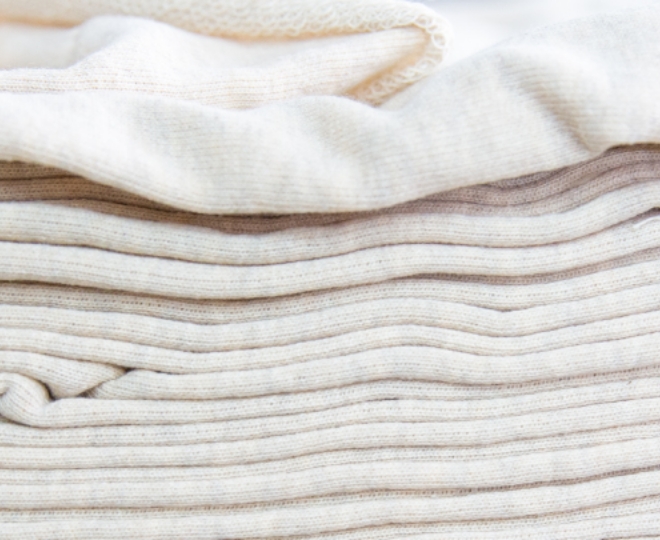
生地へのこだわり

01

始まりの糸、Kepaniの生命線。

Kepaniのものづくりの原点となるのが、大阪の老舗繊維工場でつくられるラフィー糸です。超長綿のトルファンと、短い繊維を多く含むギザアメリカの落ち綿を組み合わせ、職人の技術によって一つの糸へ仕上げます。
始まりの糸、Kepaniの生命線。

02

ゆっくり編むことで生まれる、ふっくらとした生地。

大阪でつくられたラフィー糸は、メリヤスの産地として知られる和歌山へ運ばれます。
72本の糸玉から糸を一本ずつ送り、シンカー編み機をコンマ単位で調整しながら、ゆっくりと精密に編み上げます。
時間をかけて編まれた生地は、ふっくらとしたやわらかさを持ちながら、柔軟性と伸縮性に優れ、形崩れしにくいことが特徴です。
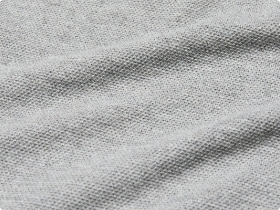
ゆっくり編むことで生まれる、ふっくらとした生地。

03

素肌に寄り添う、やさしい風合い。

編み上がったスウェット生地には、肌に触れる内側へ起毛加工を施します。
職人の特殊な加工技術によって、綿が本来持つやわらかさを引き出し、ふんわりとした肌馴染みと保温性を生み出します。
ただ暖かいだけではなく、袖を通した瞬間に身体がほどけるような感覚。それが、Kepaniが目指す着心地です。
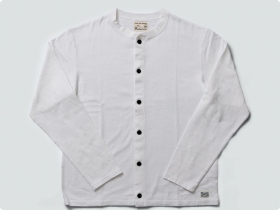
素肌に寄り添う、やさしい風合い。

THE MACHINE

製造へのこだわり

Kepaniが大切にしているのは、生産効率だけではありません。糸に余計な負荷をかけず、空気を含ませるようにゆっくりと編み上げること。
和歌山の工場では、職人がシンカー編み機の状態を見極め、糸の張りや機械の動きを細かく調整しています。
機械に任せるのではなく、機械の癖を理解した職人が向き合うことで、吊り編みに近い、ふっくらとしたKepani独自の風合いが生まれます。
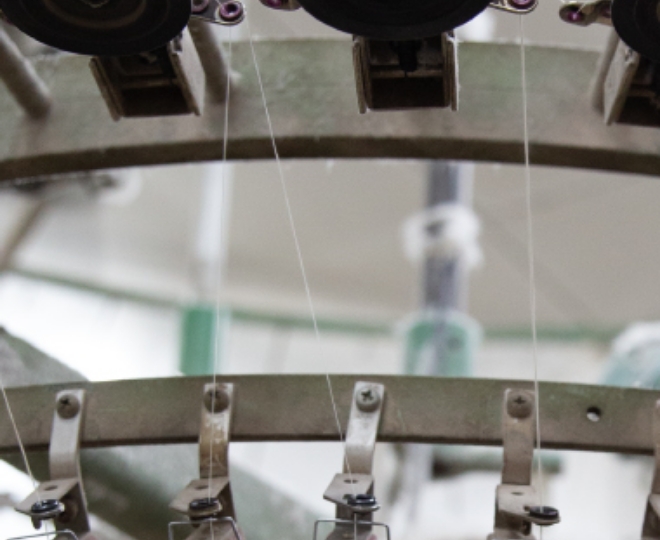
製造へのこだわり

01

72本の糸を、一本ずつ扱う。

数多くの糸を同時に扱う工程でも、わずかな張り方や送り方の違いが、生地の表情や着心地に影響します。職人は一本一本の糸の状態を確認しながら、生地全体が均一に編み上がるよう調整します。
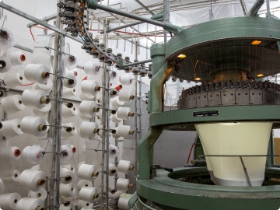
72本の糸を、一本ずつ扱う。

02

コンマ単位で調整する。

気温や湿度、糸の状態は日によって異なります。
決められた数値のまま動かすのではなく、その日の状態に合わせて機械を細かく調整することで、Kepaniが求めるやわらかさと膨らみを保ちます。
※気温や湿度については一般的な製造表現になるため、実際の工場で調整している内容を撮影・取材時に確認してから確定するのが安全です。
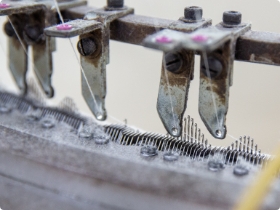
コンマ単位で調整する。

03

ゆっくり、精密に編み上げる。

速く編むほど糸には強い力がかかり、生地は硬くなりやすくなります。

時間をかけてゆったりと編み上げることで、糸が本来持つ柔らかさを残しながら、伸縮性と耐久性を備えた生地へ仕上げます。
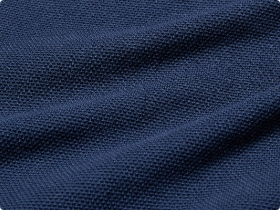
ゆっくり、精密に編み上げる。

How It's Made

Kepaniの服ができるまで

STEP

1

糸と素材を選ぶ
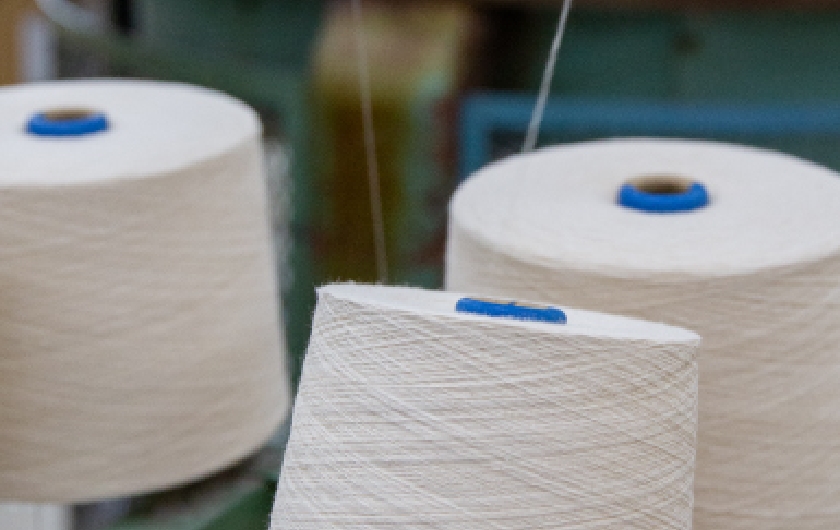
糸と素材を選ぶ

Kepaniのものづくりは、素材選びから始まります。
仕上がりの風合いや着心地を思い描きながら、糸の種類や組み合わせを一つひとつ検討していきます。

STEP

2

生地をつくる
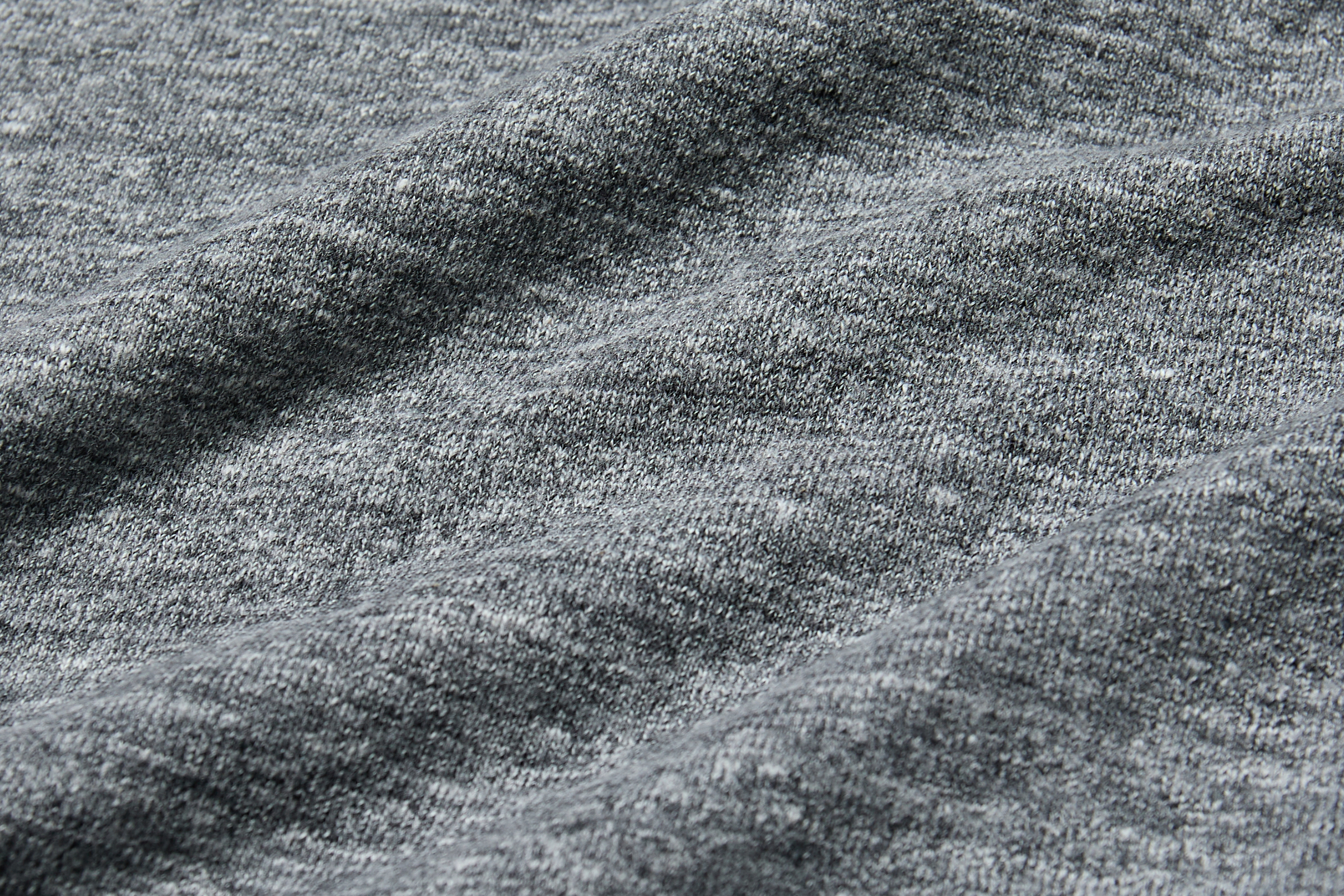
生地をつくる

選び抜いた糸を使い、時間をかけながら生地へと仕立てていきます。
機械や編み方を調整しながら、Kepaniらしいやわらかな質感を引き出していきます。

STEP

3

かたちに仕立てる
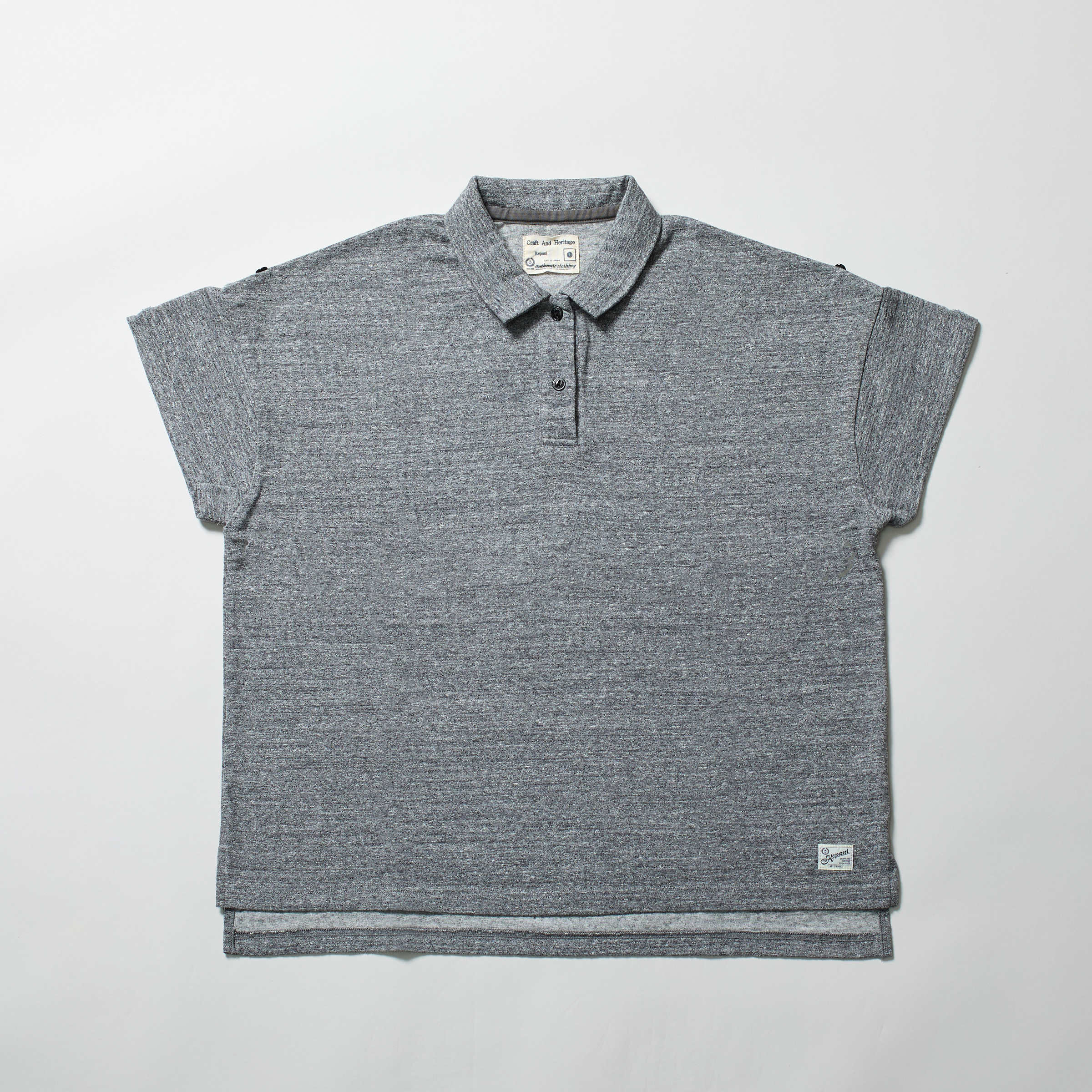
かたちに仕立てる

できあがった生地を裁断し、それぞれのパーツを丁寧に縫い合わせていきます。
着たときのシルエットや動きやすさにも配慮しながら、一着の服へと仕上げていきます。

STEP

4

仕上げ・確認
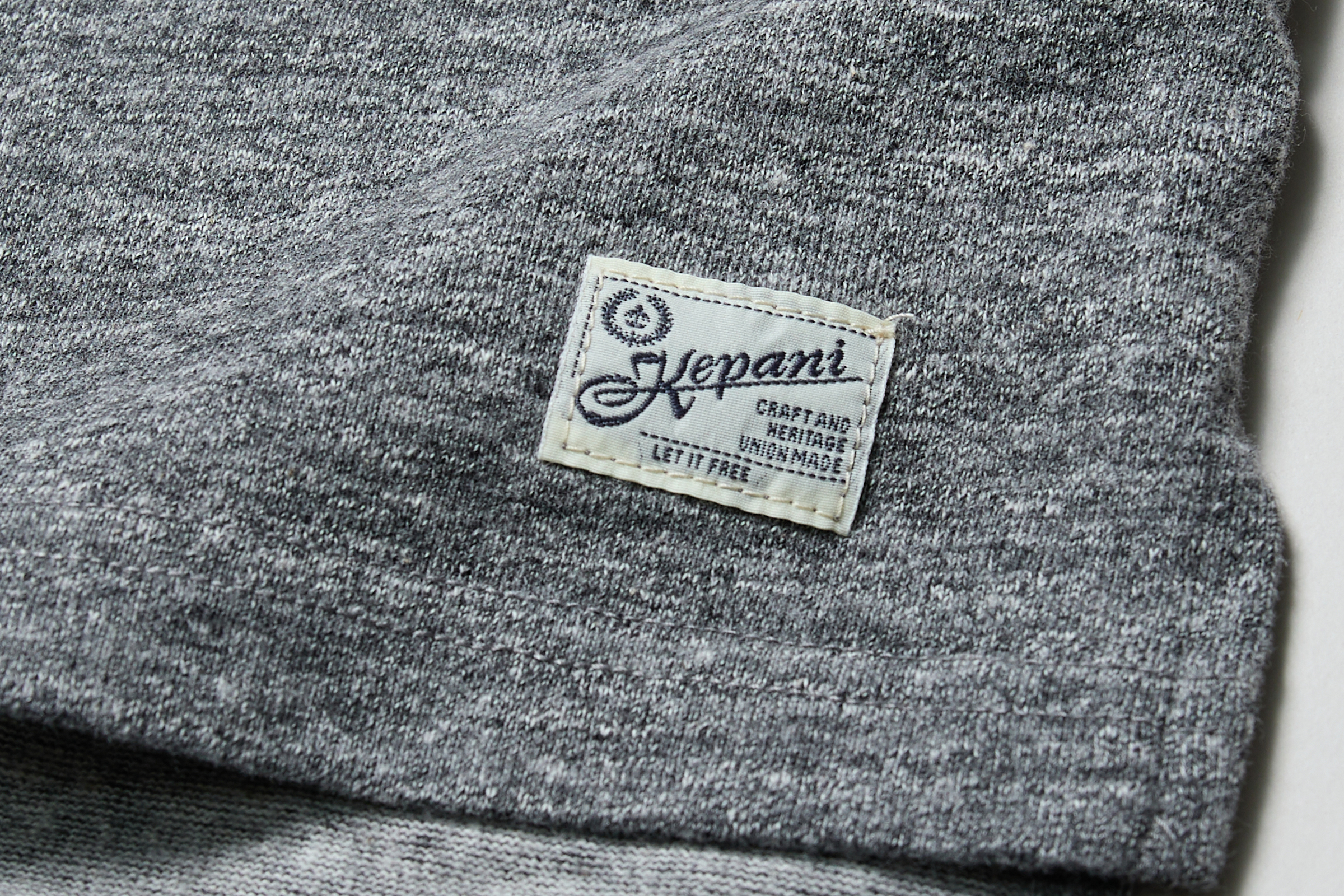
仕上げ・確認

縫製後は、細かな部分まで状態を確認しながら最後の仕上げを行います。
いくつもの工程と人の手を経て、Kepaniの一着が完成します。

STEP

5

日常へ届ける
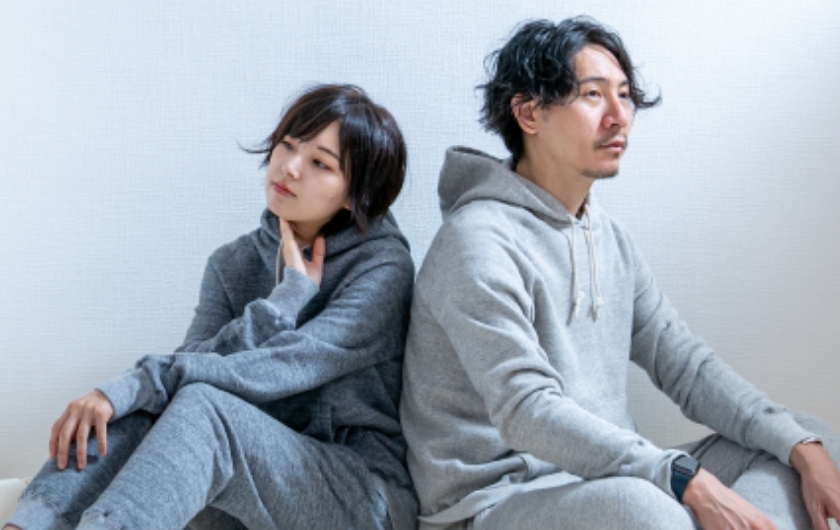
日常へ届ける

完成した一着は、それぞれの場所へと届けられ、日々の暮らしの中へ。
着るほどに身体になじみ、時間とともに生まれる風合いもKepaniならではの魅力です。
COMPANY

CRAFTSMANSHIP

FABRIC PHILOSOPHY

Our Commitment to Fabric

What Kepani values most is not just the appearance, but the comfort felt against the skin.

The garments are light and soft, naturally conforming to the body’s movements. At the same time, they retain their shape even after repeated wear, ensuring they can be cherished for years to come.
​​​​​​​
To achieve the seemingly contradictory balance of softness and durability, Kepani does not design garments based on off-the-shelf fabrics; instead, we craft the ideal texture by carefully selecting yarns and knitting techniques from the very beginning.

Our Commitment to Fabric

01

The Thread of Beginnings: Kepani’s Lifeline.

At the heart of Kepani’s craftsmanship is raffia yarn produced at a long-established textile mill in Osaka. It is made by combining Turfan extra-long staple cotton with Giza American lint—which contains a high proportion of short fibers—and then spun into a single yarn through the skill of master craftsmen.

The Thread of Beginnings: Kepani’s Lifeline.

02

A soft, fluffy fabric created by knitting slowly.

The raffia yarn produced in Osaka is transported to Wakayama, a region known for its knitwear production.
Yarn is fed one strand at a time from a ball containing 72 strands, and the fabric is knitted slowly and precisely while adjusting the sinker knitting machine to the nearest tenth of a millimeter.
The fabric, knitted over an extended period, is characterized by its plump, soft texture, excellent flexibility and elasticity, and resistance to losing its shape.

A soft, fluffy fabric created by knitting slowly.

03

A gentle texture that feels like a second skin.

The knitted sweatshirt fabric is brushed on the inner side that touches the skin.
Through the artisans’ specialized processing techniques, the natural softness of the cotton is brought out, creating a fluffy, skin-friendly feel and excellent warmth.
It’s not just about being warm—it’s about that sensation of your body relaxing the moment you slip it on. That is the wearing comfort Kepani strives to achieve.

A gentle texture that feels like a second skin.

THE MAchine

Our Commitment to Manufacturing

Kepani values more than just production efficiency. The key is to knit slowly, incorporating air into the fabric without placing unnecessary strain on the yarn.

At the factory in Wakayama, artisans carefully assess the condition of the sinker knitting machines and make precise adjustments to the tension of the yarn and the movement of the machines.
​​​​​​​
Rather than leaving everything to the machines, artisans who understand their quirks work closely with them, creating Kepani’s unique, plump texture—similar to that of hand-knitting.

Our Commitment to Manufacturing

01

Handle the 72 threads one by one.

Even in processes that involve handling numerous threads simultaneously, the slightest difference in tension or feed rate can affect the fabric’s appearance and comfort. Artisans check the condition of each individual thread and make adjustments to ensure the entire fabric is knitted uniformly.

Handle the 72 threads one by one.

02

Adjust in increments of a comma.

Temperature, humidity, and the condition of the yarn vary from day to day.
Rather than operating the machine based on fixed settings, we make precise adjustments according to the conditions of the day to maintain the softness and volume that Kepani seeks.
*Since references to temperature and humidity are general manufacturing terms, it is safest to confirm the actual adjustments made at the factory during filming or interviews before finalizing the details.

Adjust in increments of a comma.

03

Knit slowly and meticulously.

The faster you knit, the more tension is applied to the yarn, and the fabric tends to become stiffer.
​​​​​​​
By taking your time and knitting at a leisurely pace, you can preserve the yarn’s natural softness while creating a fabric that is both stretchy and durable.

Knit slowly and meticulously.

How It's Made

The Process of Making Kepani Clothing

STEP

1

Selecting Yarn and Fabrics

Selecting Yarn and Fabrics

At Kepani, the crafting process begins with the selection of materials.
While envisioning the final texture and comfort of the garment, we carefully consider each type of yarn and combination, one by one.

STEP

2

Creating the Fabric

Creating the Fabric

We use carefully selected yarns and take our time crafting them into fabric.
By adjusting the machines and knitting techniques, we bring out the soft texture that is characteristic of Kepani.

STEP

3

Shape into a form

Shape into a form

We cut the finished fabric and carefully sew each piece together.
We craft each garment while paying close attention to the silhouette when worn and ease of movement.

STEP

4

Final Touches and Review

Final Touches and Review

After sewing, we perform the final finishing touches while carefully inspecting every detail.
Each Kepani garment is completed through numerous processes and the work of many hands.

STEP

5

Bringing It into Everyday Life

Bringing It into Everyday Life

Once completed, each garment is delivered to its destination and becomes a part of everyday life.
The way it molds to your body the more you wear it, and the unique patina that develops over time, are part of Kepani’s distinctive charm.